When we stopped in Munising, MI we took a
second boat tour.
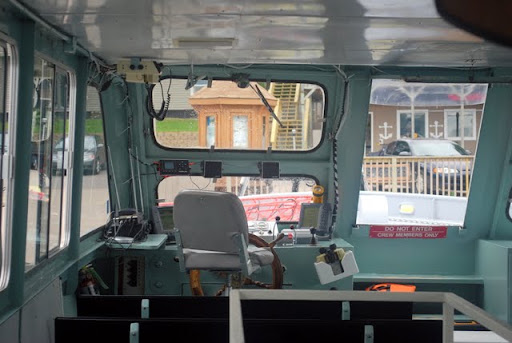
Except this time we were aboard a glass-bottomed boat.
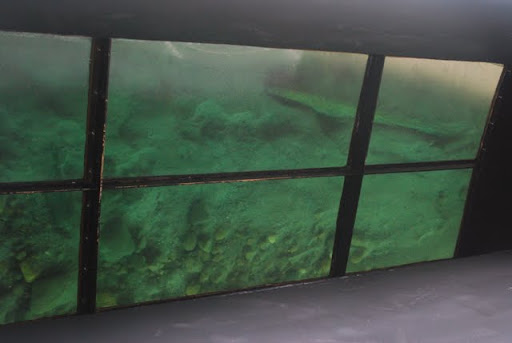
The glass panels were particularly helpful on our trip- once the captain had driven us into Lake Superior...
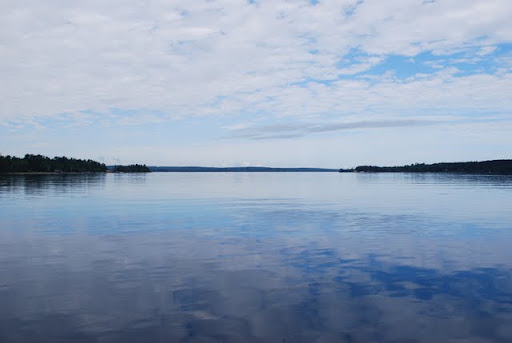
We were able to see the shipwrecks below the surface!
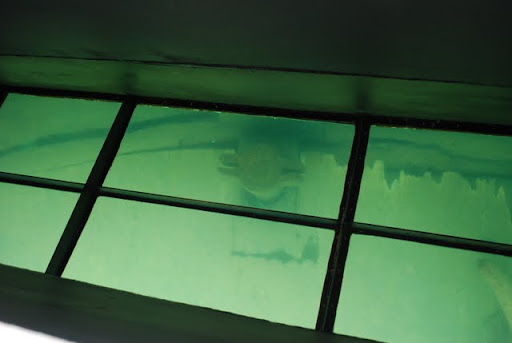
There are numerous shipwrecks throughout the Great Lakes, and several can be found in Munising harbor! The first wreck we saw was the Bermuda.
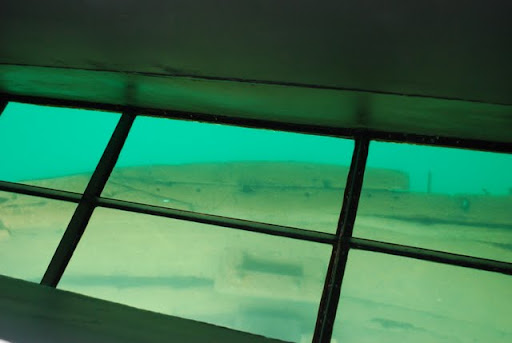
The Bermuda sunk in 1870 while it was carrying 400,000 tons of iron ore.
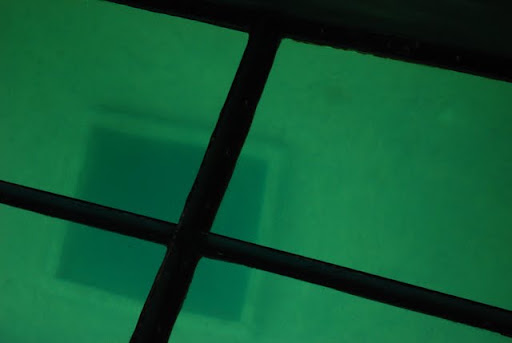
The ship was damaged in a storm, and the captain had the crew tie her to a few trees on shore while he went to town to seek help. By the time he had returned, the ship was gone- it had ripped the trees out of the soil and sunk just offshore, taking with it three crew members that couldn't escape in time.
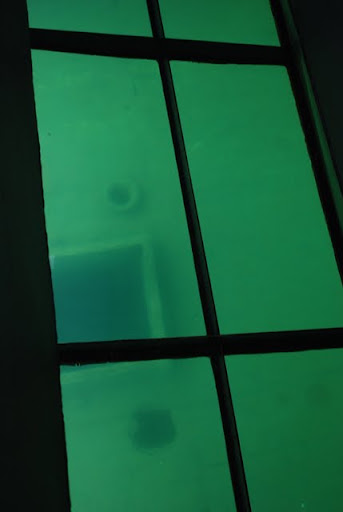
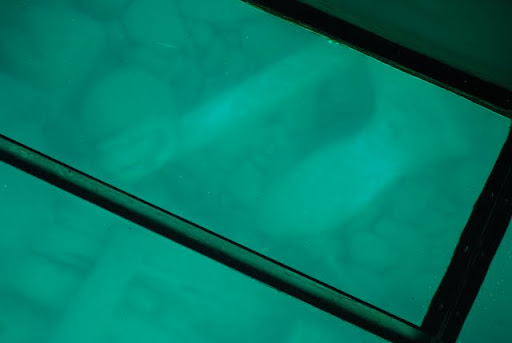
The wreck lies 4-5 feet below the water, so we were able to get an amazing view of the white oak vessel.
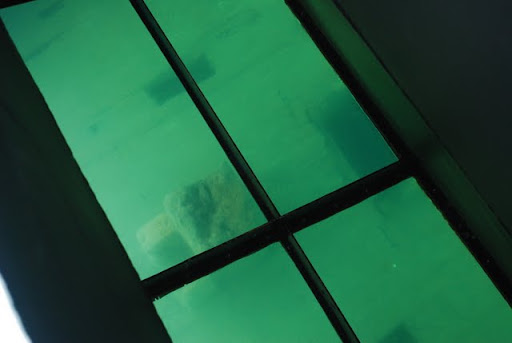
Since Lake Superior is so cold, there are fewer fungi, etc... so the wreck in in excellent condition. For example, the ship was painted white when it sank. The white paint is still attached to the lead nail heads- see all the little white dots?
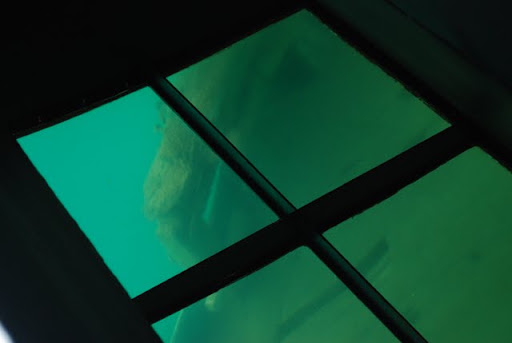
It was incredible to see something like this just a few feet below our boat...
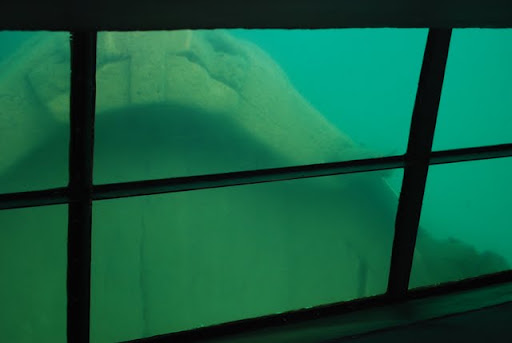
Eerie, isn't it?
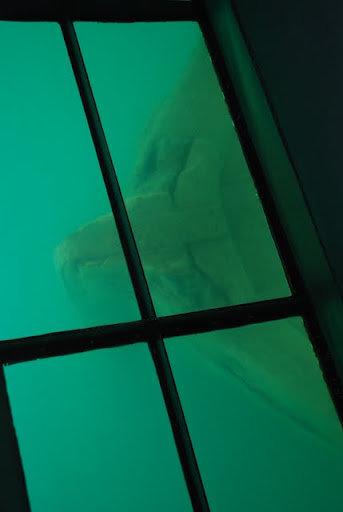
After we'd seen the Bermuda, our captain drove us to the next wreck.
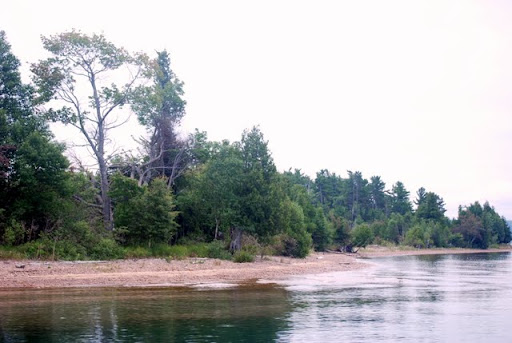
Along the way we were able to enjoy the beautiful scenery.
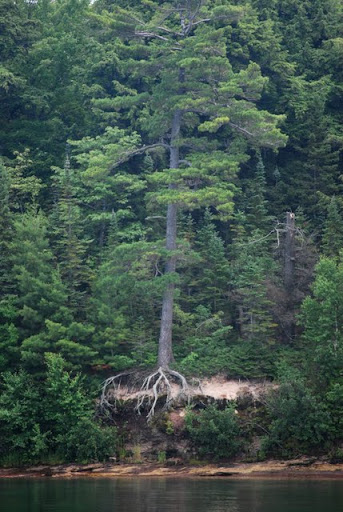
And as we passed Grand Island, the captain told us to keep an eye out for eagles.
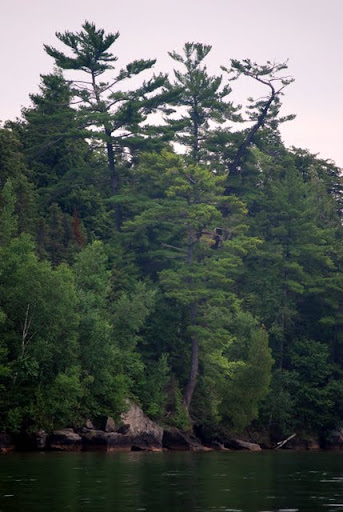
I trained my eyes on the treetops, but I'm notorious for never spotting wildlife.
(I'm always the one shouting "where? where?" when everyone else seems to see something cool!) So imagine my surprise when I was the first person on the boat to spot this handsome fella...
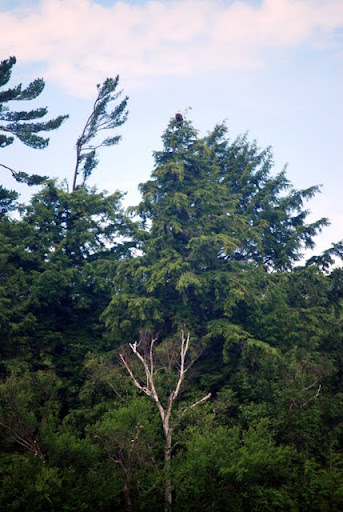
Not too shabby, eh?
(Of course I must give props to the excellent zoom lens my folks have for their camera!)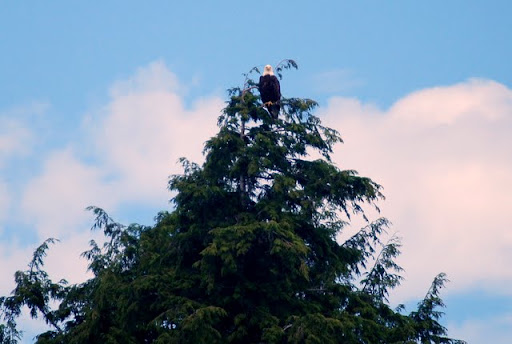
And before I knew it, we had arrived at our second wreck: the Herman H. Hettler.
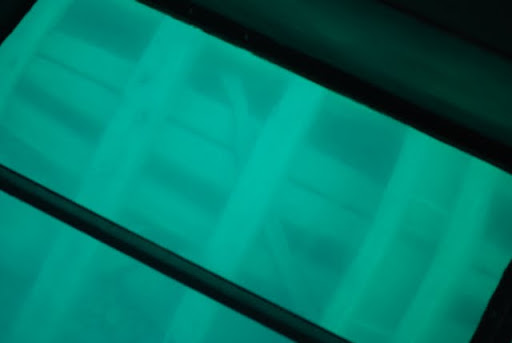
This ship sank in 1926, after it hit a sandstone wall in the harbor (the water depth goes from 35 feet to 7 instantaneously).
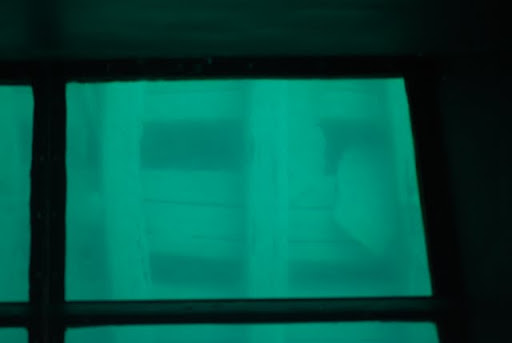
The ship's main cargo was salt, which dissolved shortly after the crash.
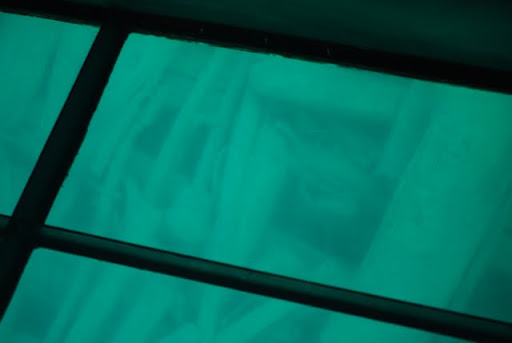
The location of the initial wreck was hazardous to other boaters, so in 1929 divers used dynamite to further destroy the wreck.
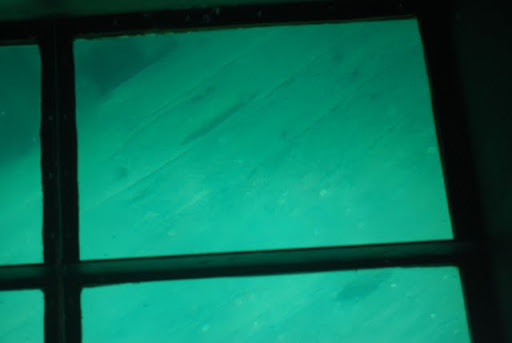
Luckily many pieces of the ship survived the blasts, including the anchor, and the remains can be seen about 7-9 feet underwater!
On our way to the third and final wreck, we passed the east side of Grand Island...
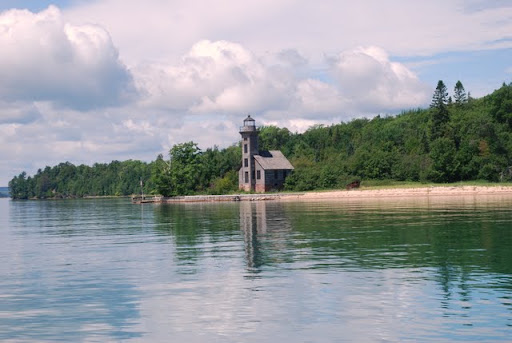
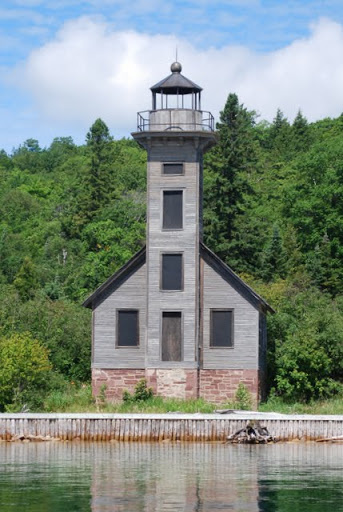
Which took us right past the East Channel Lighthouse.
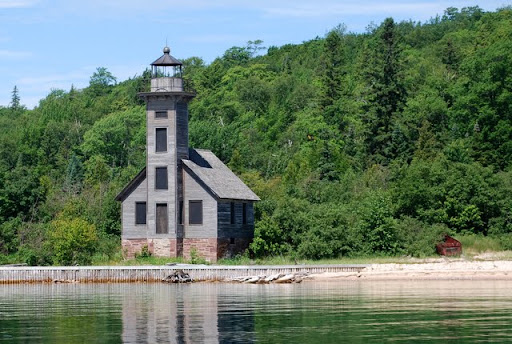
While the light is currently empty and non-functional, it was constructed in 1869 and was at one time operated by a keeper who had 10 children!
A few moments later we had reached our final destination: Scow Schooner.
This wreck is still a bit of a mystery, because there are no records of it sinking. Carbon dating was able to confirm that it sunk just over 200 years ago, but that's about all the information available!
Divers have confirmed that it's a barge-type vessel with schooner rigging... not well suited for Lake Superior! Considering how the long the vessel had been at the bottom of Lake Michigan, I was amazed at how well everything had survived!
And the fact that so little is known about this wreck made it particularly interesting!
We had a great time on our
Shipwreck Tour- if you're ever in the area we highly recommend taking the trip! Thank you for stopping by and I hope you have a great day!